Environment, Health & Science · India
Almost 60% of India’s elephants are in Karnataka, Assam, T.N.
Published
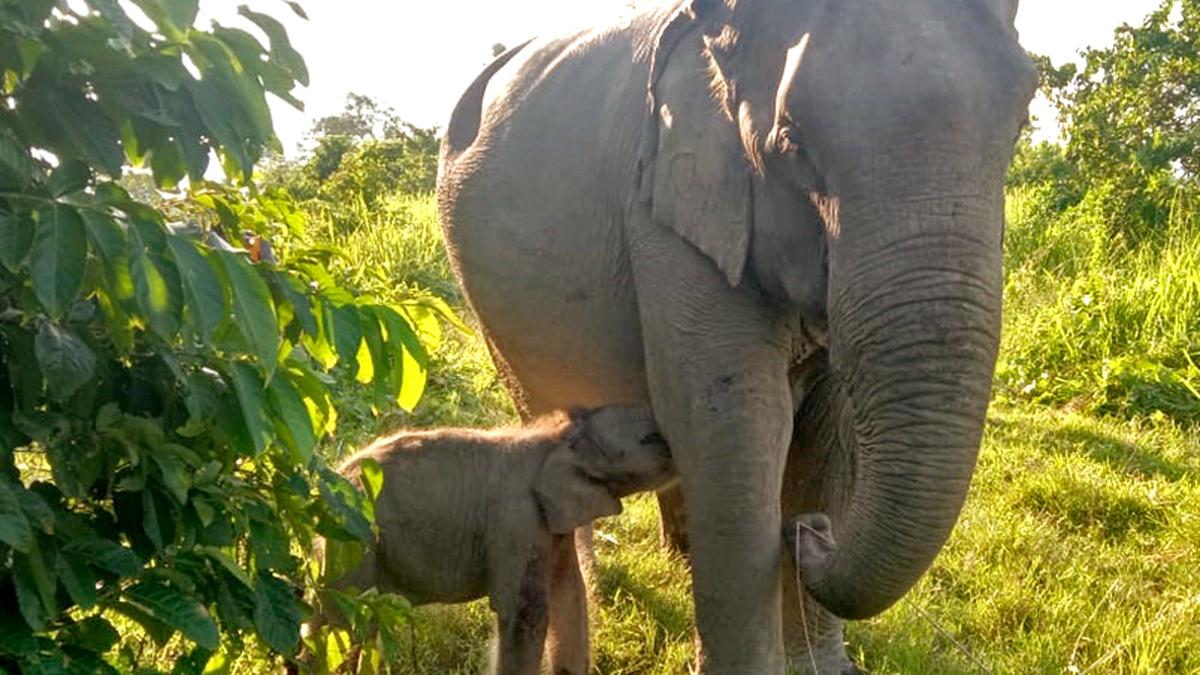
The Wildlife Institute of India released the first-ever DNA-based synchronous estimation of elephants across the country The available reporting identifies the immediate development, but further evidence is needed to assess implementation, responses and longer-term consequences. Material details remain pending. Additional reporting may clarify the scale, response and longer-term consequences for affected people and institutions.
Why it matters
The findings connect environmental, health or scientific evidence with decisions affecting communities and ecosystems. Independent data, long-term monitoring and transparent methods will be important for judging the scale of the risk and the response.
Evidence assessment
The account is based on reporting by The Hindu - States. Official claims, allegations and projections remain attributed; underlying records were not independently reviewed unless a linked report states otherwise.
Medium confidence — The event, institution and timing are identified across 1 distinct source desk, but important details still rely on a single account.
Coverage assessment
Unknown across 1 source desk.
Available reporting comes from 1 distinct source desk.