Society, Rights & Justice · Hyderabad, Telangana, India
Hyderabad police database gathers extensive personal details from domestic workers
Published
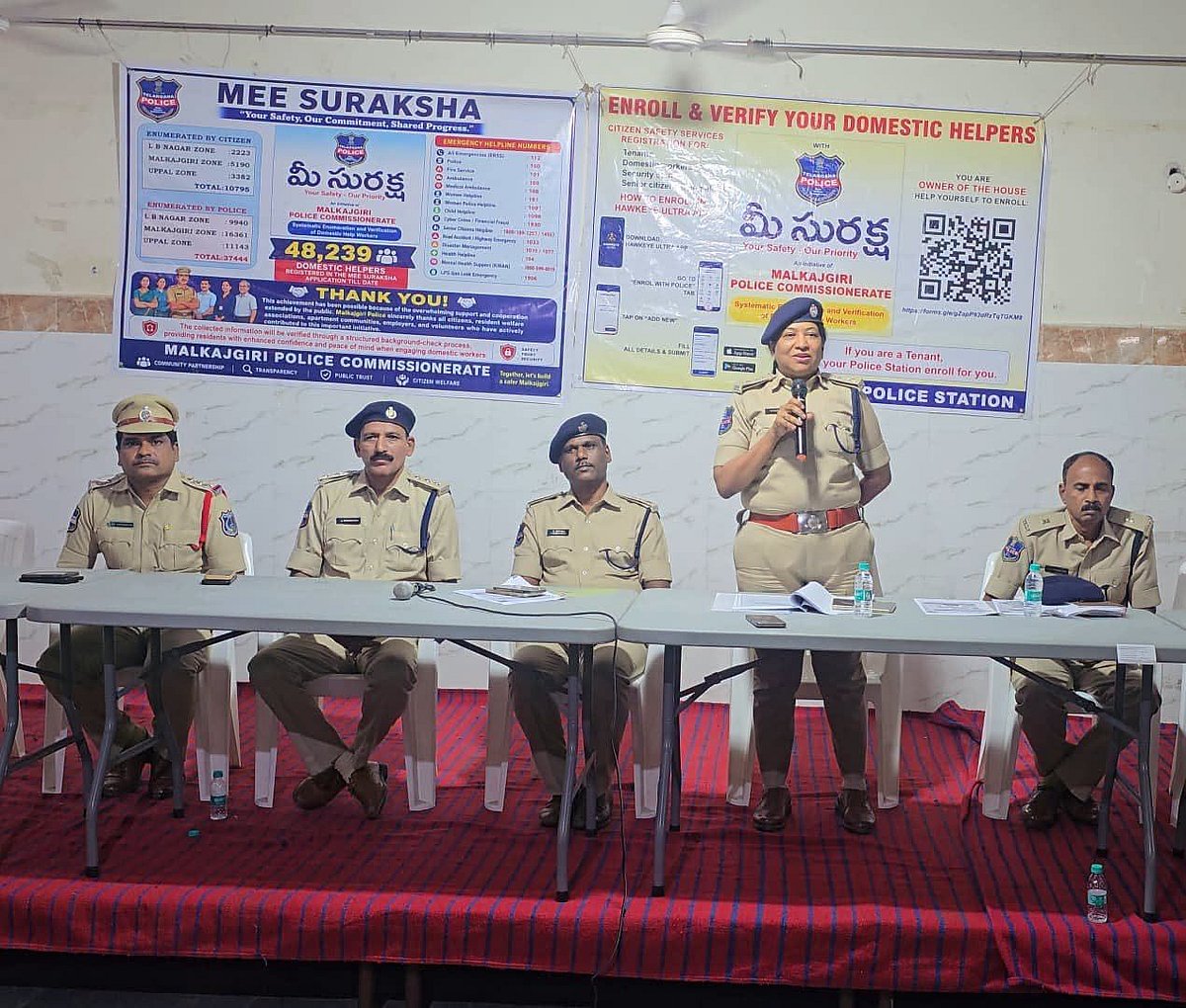
Under Hyderabad police commissionerate?s Mee Suraksha drive, more than 63,000 domestic workers have reportedly supplied Aadhaar and banking details, UPI identifiers, social-media information, religion, nationality and home coordinates. Police describe participation as voluntary and intended to prevent crime in gated residential complexes, while worker advocates question whether economically dependent staff can freely refuse.
Why it matters
A police-held database combining financial, identity and location information creates privacy and discrimination risks for a largely female, migrant and informal workforce with limited bargaining power.
Evidence assessment
The News Minute opinion analysis identifies the data fields, reported enrolment and commissioner?s voluntariness claim. No database policy, consent form, retention rules or independent worker survey is supplied.
Medium confidence — The programme and reported scale are described in a linked local publication, but key operational documents and independent participant evidence are missing.
Coverage assessment
Underreported across 1 source desk.
One local desk examines the programme?s privacy consequences; no separate reporting source is included.
Disagreements or gaps
- Police characterise enrolment as voluntary and protective; the analysis argues that workers? economic dependence makes meaningful refusal doubtful.